



Joint & Muscle Pain Clinic
Rheumatology, MSK imaging, and physiotherapy working together.
Expert assessment and targeted imaging to help identify the cause of pain and guide treatment.
Common Symptoms We Assess
You don’t need to know what the condition is called. These are some of the reasons patients come to us:
- Persistent joint pain or stiffness
- Swollen, painful or warm joints
- Back, neck or shoulder pain
- Muscle pain or weakness
- Sports or overuse injuries
- Suspected arthritis or inflammatory conditions
- Reduced mobility or joint function
- Pain that has not improved with rest or simple treatment
If pain is ongoing, worsening, or affecting your quality of life, it deserves proper assessment.
Why Combine Rheumatology and MSK Imaging?
Joint and muscle conditions are often complex. Symptoms alone don’t always tell the full story. By combining clinical assessment by a consultant rheumatologist, and targeted MSK imaging performed and reported by a specialist radiologist, we can reach a clearer diagnosis and avoid unnecessary delays, repeat tests, or trial-and-error treatments.
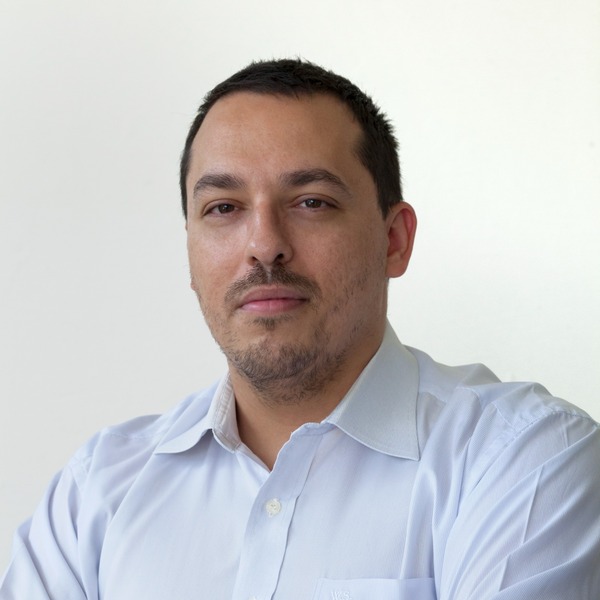
Dr Christian Vassallo
Consultant Rheumatologist & Internal Medicine Specialist
Dr Chris Vassallo is a dual-accredited Rheumatologist and Internal Medicine Specialist with over a decade of clinical experience managing joint, autoimmune and musculoskeletal conditions. Having trained in Malta and the UK, he provides expert care in inflammatory and degenerative arthritis, connective tissue diseases, osteoporosis, and complex musculoskeletal pain. Dr Vassallo also performs joint injections where appropriate.
Select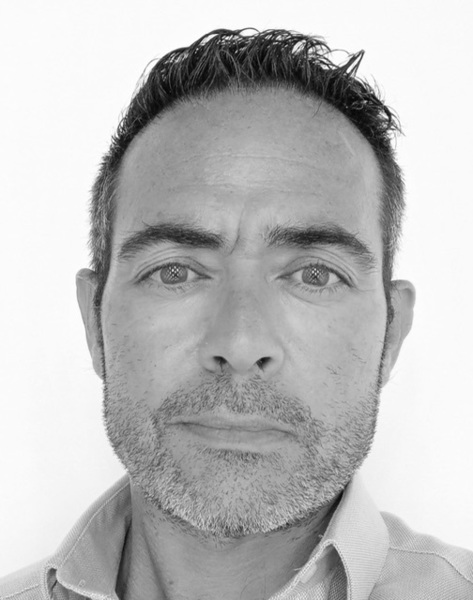
Mr Jeremy Ellul
Lead Physiotherapist
Mr. Jeremy Ellul is a State Registered Physiotherapist. Graduating from the University of Malta in 1998, he has nearly 3 decades of clinical experience, primarily in musculoskeletal problems. He has a special interest in the role physiotherapy plays in restoring function, and has worked with a wide range of conditions including sports injuries, osteoarthritis, and postural issues.
Select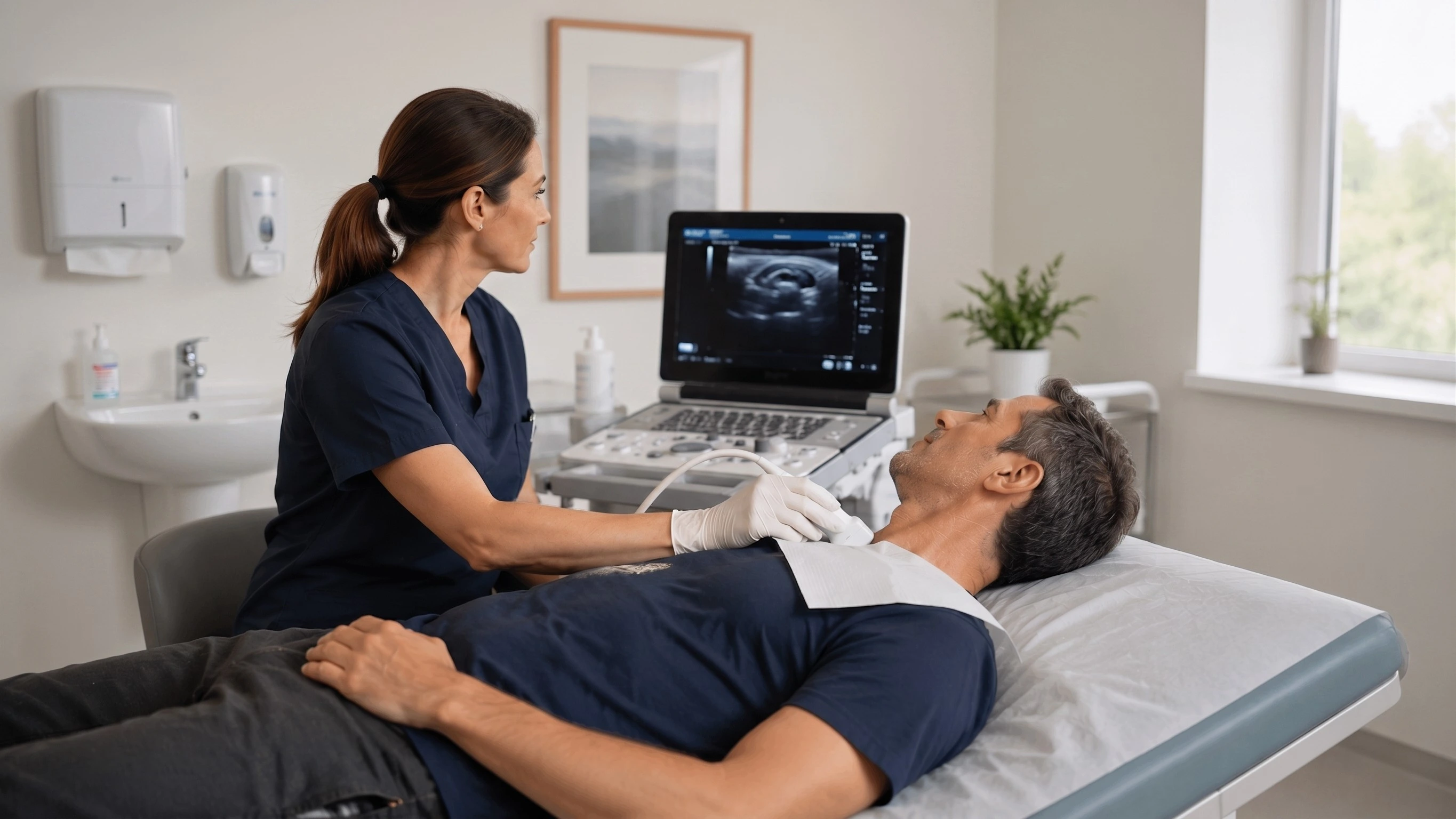
MSK Ultrasound Scan
Joint, Muscle & Tendon Imaging
Ultrasound of joints, tendons, muscles, ligaments and soft tissue lumps, performed and reported by a consultant radiologist with same-day results. Choose your scan from our list of ultrasound services.
SelectFrequently Asked Questions
Everything you need to know about our joint and muscle pain services.
No. You can book directly without a referral. If you already have blood tests or scans, bring them with you, but they are not required to book an appointment. However, if you plan to claim on health insurance, your insurer may require a referral letter from your GP or another doctor who is not the specialist you are seeing, so please check with them first.
Rheumatologists diagnose and manage joint, muscle and autoimmune conditions such as arthritis, inflammatory joint disease, connective tissue disorders, osteoporosis and chronic musculoskeletal pain.
Pain should be assessed if it lasts more than a few weeks, keeps returning, causes stiffness or swelling, or interferes with daily activities, sleep or work.
Depending on symptoms, assessment may include ultrasound, MRI, CT or X-ray. These scans help identify inflammation, arthritis, tendon injuries, soft tissue problems or structural causes of pain.
It depends on the problem. Ultrasound is excellent for assessing inflammation, tendons and guided injections. MRI provides detailed images of bones, joints and soft tissues. The appropriate scan is chosen based on clinical findings.
Imaging is important, but diagnosis usually combines clinical assessment, imaging and sometimes blood tests. Imaging helps confirm the diagnosis and assess severity or complications.
Yes. Joint injections can be performed when clinically appropriate and are often done under ultrasound guidance for accuracy and safety.
In many cases, yes. Most rheumatological and musculoskeletal conditions are managed with medication, targeted injections, physiotherapy and lifestyle adjustments rather than surgery.
This varies depending on the condition. Some diagnoses can be made after one visit and scan, while others require follow-up or additional tests. The aim is to reach clarity as efficiently as possible.